Takeaway Food Boxes
View →

A practical guide to choosing more responsible food packaging in Ghana based on food, performance, food safety, material considerations and realistic end-of-life options
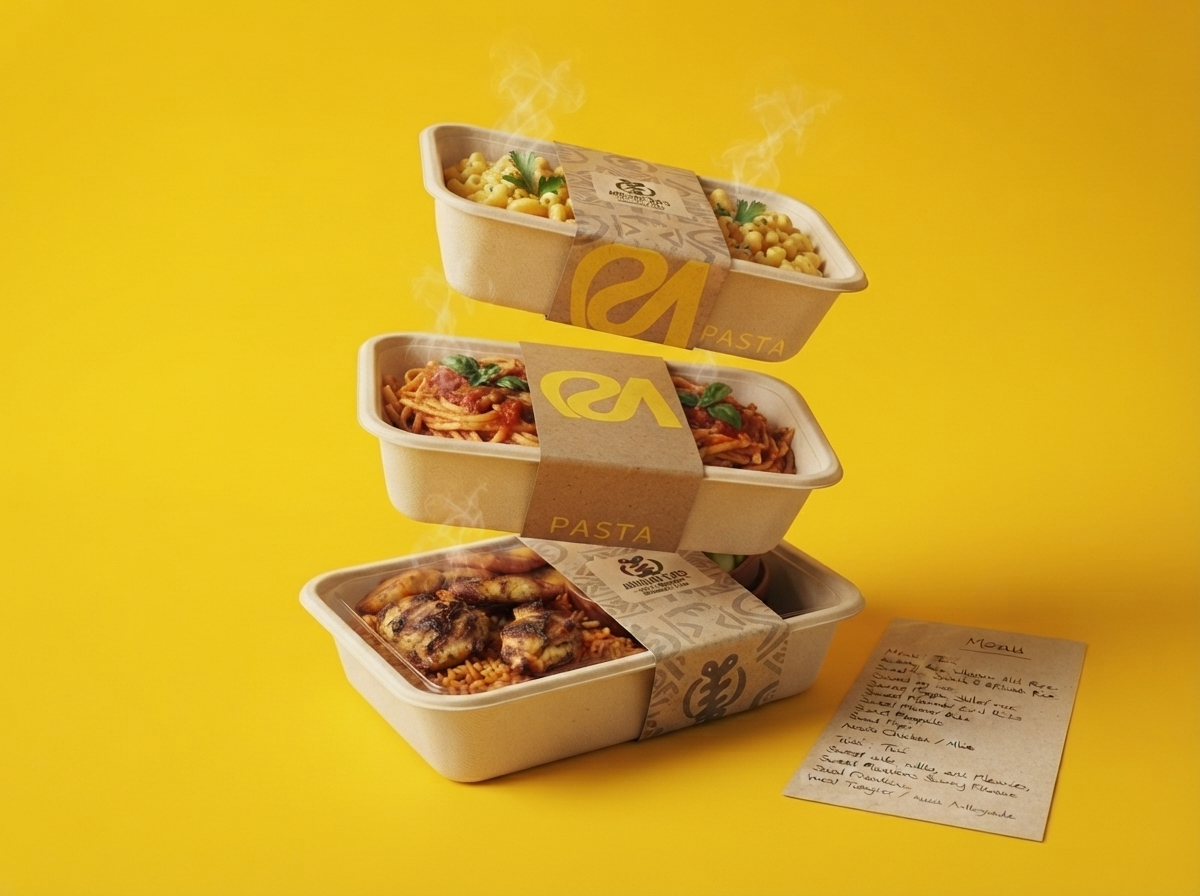
Sustainable food packaging is not simply about replacing one material with another. For a food business, the packaging still needs to protect the meal, work in real service conditions, fit the operation and make sense after use.
For businesses in Ghana, this decision is becoming more important as the country moves away from Styrofoam takeaway packaging. The Environmental Protection Authority has announced a nationwide ban on expanded polystyrene products effective 1 January 2027, including food packaging and takeaway packs.
A better packaging choice starts with the job it has to do.
Consider:
This is why there is no single packaging material that is automatically the most sustainable choice for every food business.
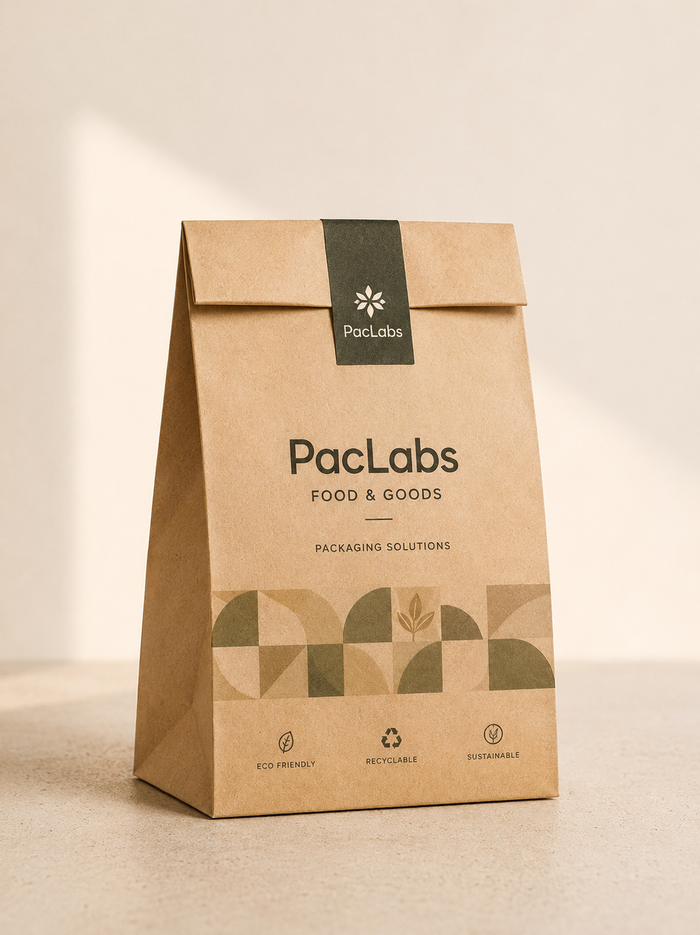
Paper and kraft-paper packaging can be practical options for many food-service applications, particularly bags, trays and boxes. The exact suitability depends on the construction, coating and food being packed.
Paper bags can work well for selected takeaway foods, bakery products, snacks and other dry or appropriately protected items. For greasy or wet foods, the bag needs to be designed for that application rather than chosen simply because it is paper.
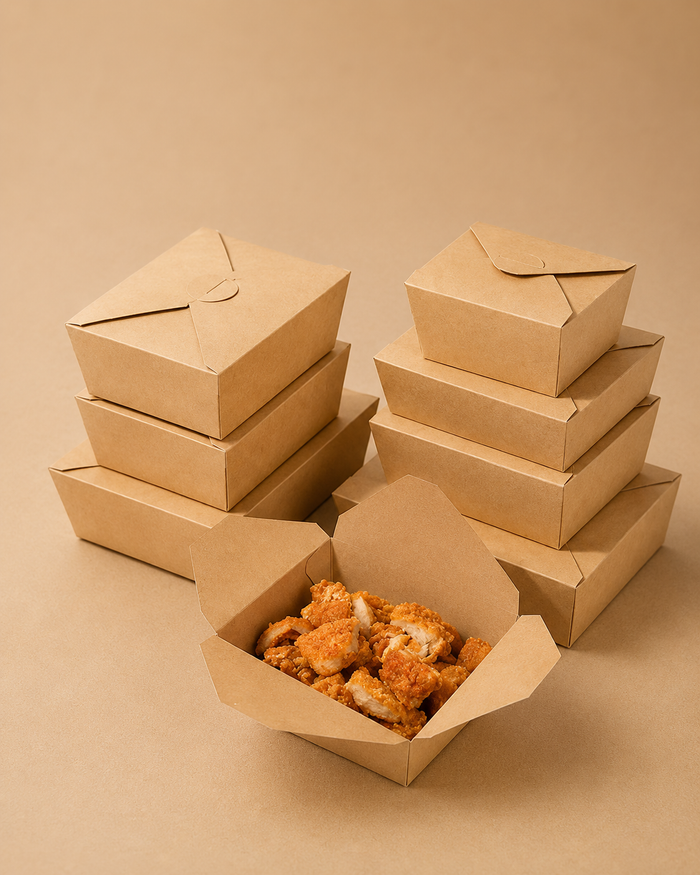
Kraft trays and takeaway boxes can provide useful alternatives for meals, snacks and food-service applications. The important question is whether the particular package can handle the food's heat, grease, moisture and transport requirements.
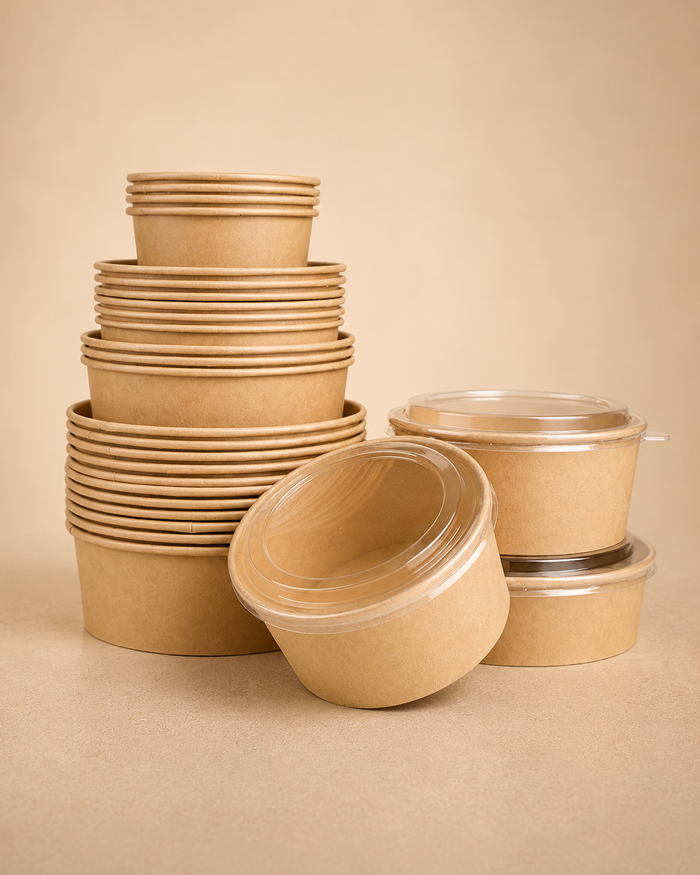
Paper bowls and cups can be useful for appropriate foods and drinks, but their construction matters. Businesses should confirm food-contact suitability and the performance required for hot, wet or liquid contents.
Rice meals and combinations: Look for a container with enough structure and closure for the portion, sauce and transport conditions.
Fried foods: Consider grease management, ventilation and whether the package keeps the food secure without trapping unnecessary moisture.
Soups and saucy foods: Prioritise leak resistance, closure and structural strength. Do not assume an ordinary paper package is suitable for liquids.
Snacks and savouries: Trays, bags or boxes may work depending on the food, serving format and quantity.
Bakery and café products: Match the bag or box to the product size, presentation and carrying experience.
Catering and events: Consider portion consistency, stacking, handling and presentation alongside material choice.
Before placing a bulk order, check:
Ghana FDA guidance states that packaging materials should be stored in a clean and sanitary manner and should not transmit objectionable substances to the product. It also requires packaging to be carried out under conditions that prevent contamination.
Terms such as paper-based, recyclable, biodegradable and compostable should not be treated as interchangeable.
A paper package may be recyclable under suitable conditions without being compostable. A product described as biodegradable may have specific conditions attached to that claim. Coatings, inks, adhesives and the actual disposal environment can also affect what happens after use.
The Styrofoam ban creates a practical reason for food businesses to review their packaging now. The EPA says businesses should begin adopting available alternatives ahead of full enforcement, and recent market monitoring found paper-based packaging among the alternatives already being stocked.
A simple transition plan is:
For a waakye seller, restaurant, caterer or fast-food business, the right replacement may differ depending on the food, portion, sauces, transport distance and service model.
At PacLabs, the goal is not to label every paper product “eco-friendly.” It is to help businesses choose packaging that makes sense for the application and to describe its environmental characteristics honestly.
Paper-first where it makes sense. Performance-first where food protection requires it. Evidence-first when making environmental claims.
Explore practical options such as Takeaway Food Boxes, Kraft Paper Trays, Food Paper Bags and Paper Bowls based on the needs of your business.
Packaging designed and selected with material use, food protection, business practicality and end-of-life considerations in mind. Sustainability depends on the complete application, not just the material name.
Not automatically in every application. The comparison depends on the materials, product performance, production, use and realistic end-of-life pathway.
Kraft paper can be a responsible option for suitable applications, but the complete package matters. Coatings, construction, use and disposal should be considered before making a broad environmental claim.
Possible alternatives include paper-based packaging and other materials suited to the food and service requirement. The right option depends on heat, moisture, grease, portion, leakage and transport needs.
No. They describe different properties and should not be used interchangeably without checking the specific product and conditions behind the claim.
Check food-contact suitability, performance, size, handling, storage, supply, cost and the evidence behind any environmental claims.
Sustainable packaging should not mean compromising on the food or the business.
Start with the application, compare realistic options and test what works before buying at scale.
Practical points to apply before your next packaging decision.
Formats and solutions referenced in this guide.
Continue reading across materials, branding, and operations.
Share your product, volumes, and timeline, and we will recommend materials, formats, and print options that fit your operation.