Food Paper Bags
View →

A practical guide to kraft paper packaging in Ghana, covering food applications, performance, sustainability considerations, branding and what to check before buying
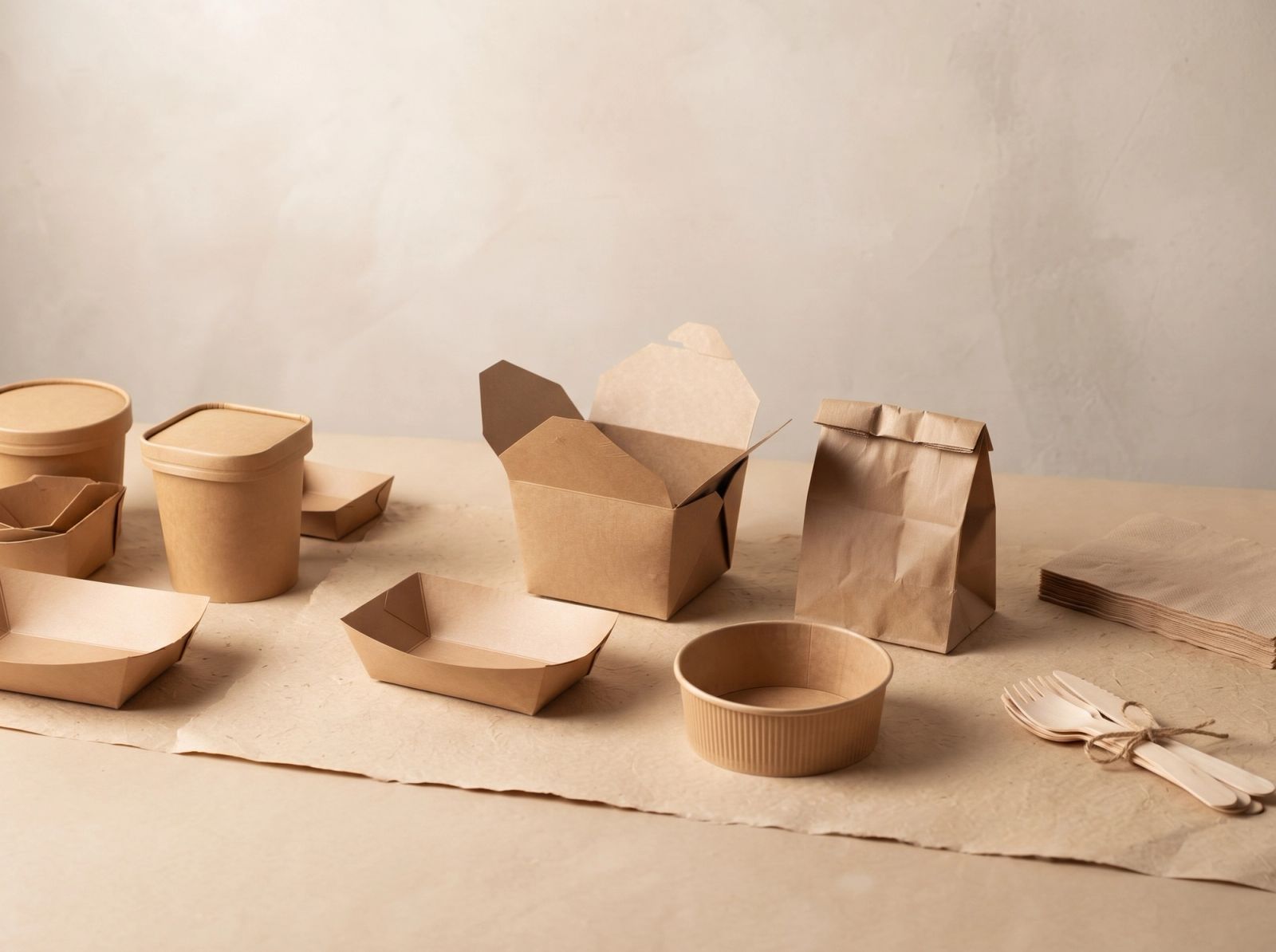
Kraft paper is one of the most recognisable paper materials in packaging, from food bags and trays to takeaway boxes and shopping bags. But choosing kraft packaging is not simply a matter of choosing something brown.
The right option depends on what you are packing, how it will be used and what it needs to withstand.
Kraft paper is made from wood fibre pulp and originates from the German term “Kraft”, which means strength, power or vigour
Kraft paper is commonly used where packaging needs useful strength and durability. It is available in different grades, weights and finishes, so two kraft products can look similar while performing differently.
A bag for a dry pastry does not face the same conditions as a container holding a hot, saucy meal.
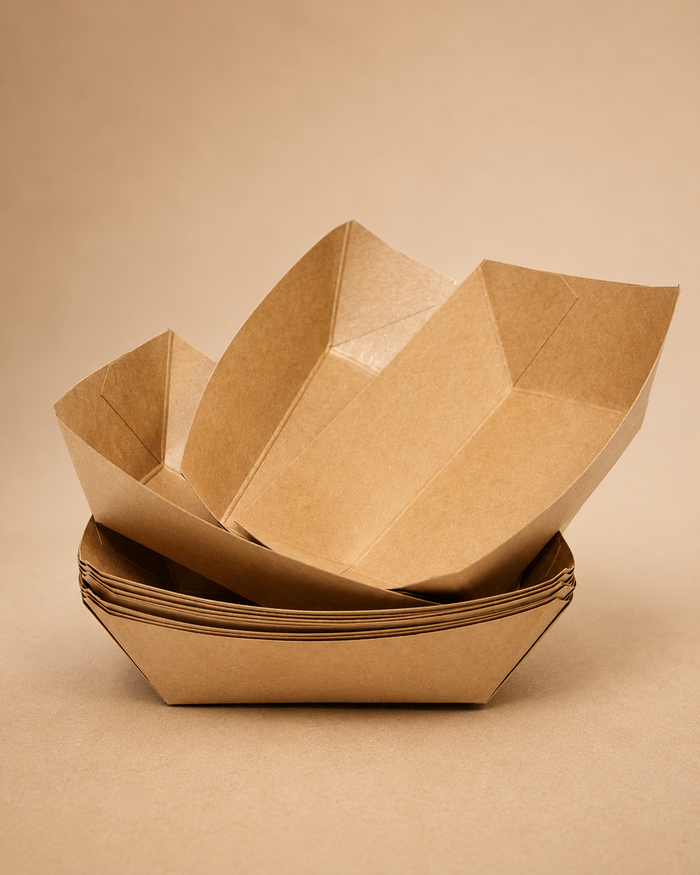
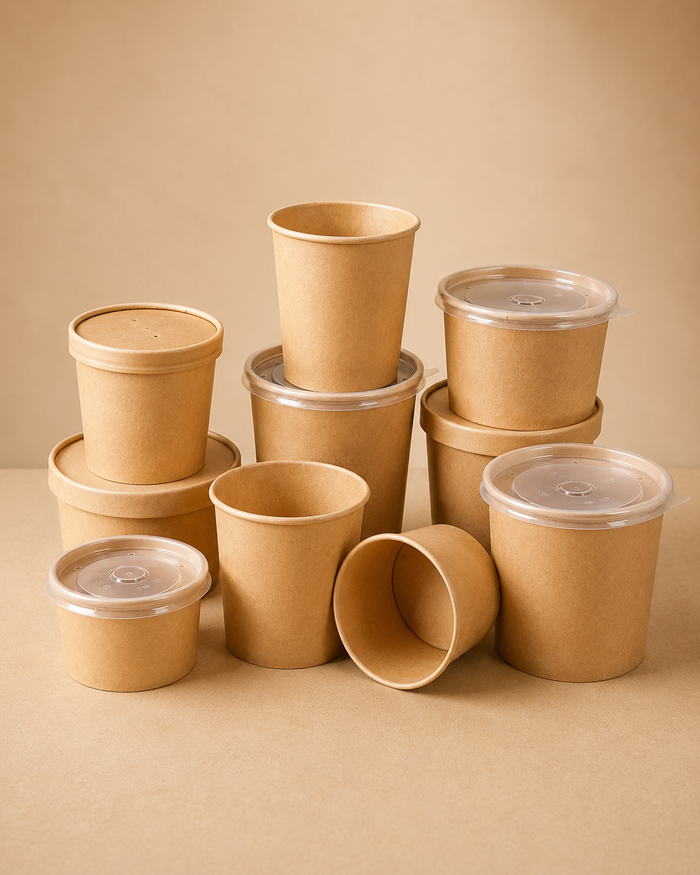
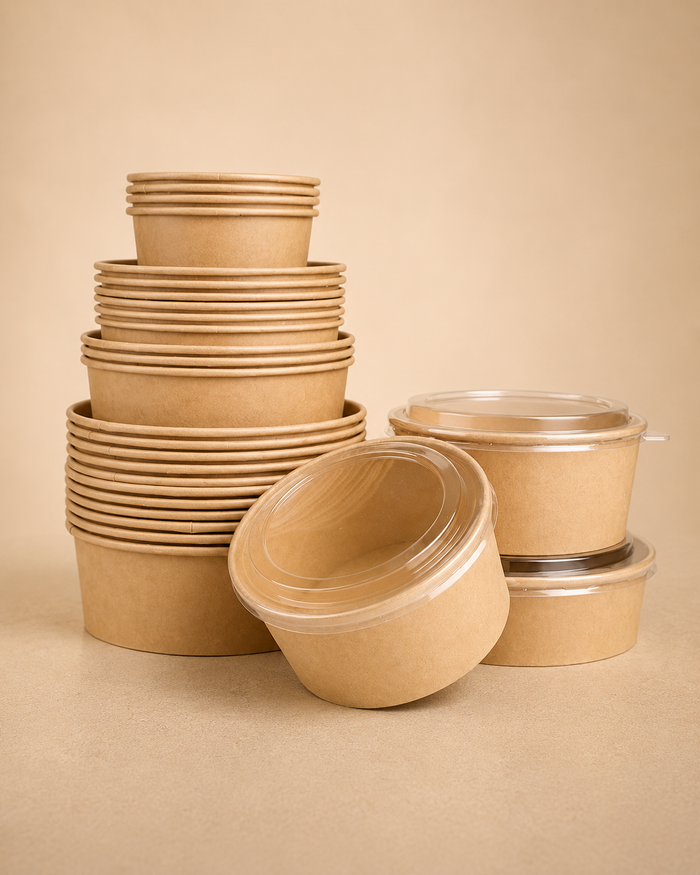
Kraft paper can be used across several packaging formats:
The material is only part of the decision. The finished package, including its construction and any treatment or coating, determines how it performs.
For food businesses, food suitability comes before appearance.
Consider the conditions your packaging will face:
A kraft-looking package should not automatically be assumed suitable for every food. Check the actual product specification before ordering in bulk.
There is no single “best” kraft package for every business.
Kraft paper can be a strong option, but it should not be treated as the answer to every packaging problem.
Compare materials based on the actual application: food protection, strength, moisture and grease requirements, carrying, branding, cost and realistic end-of-life options.
For some applications, paper-based packaging may be a sensible choice. For others, a different structure or material may provide better food protection.
Kraft paper is often associated with sustainable packaging, but “kraft” by itself does not prove that a product is biodegradable, compostable or environmentally harmless.
The overall environmental profile can depend on:
For PacLabs, the principle is simple: paper-first where the application makes sense, performance-first where food protection requires it, and evidence-first when making environmental claims.
Start with the food rather than the material.
Waakye and rice meals: consider portion size, heat, moisture, sauce and transport.
Jollof and other sauced meals: pay particular attention to moisture, leakage and carrying.
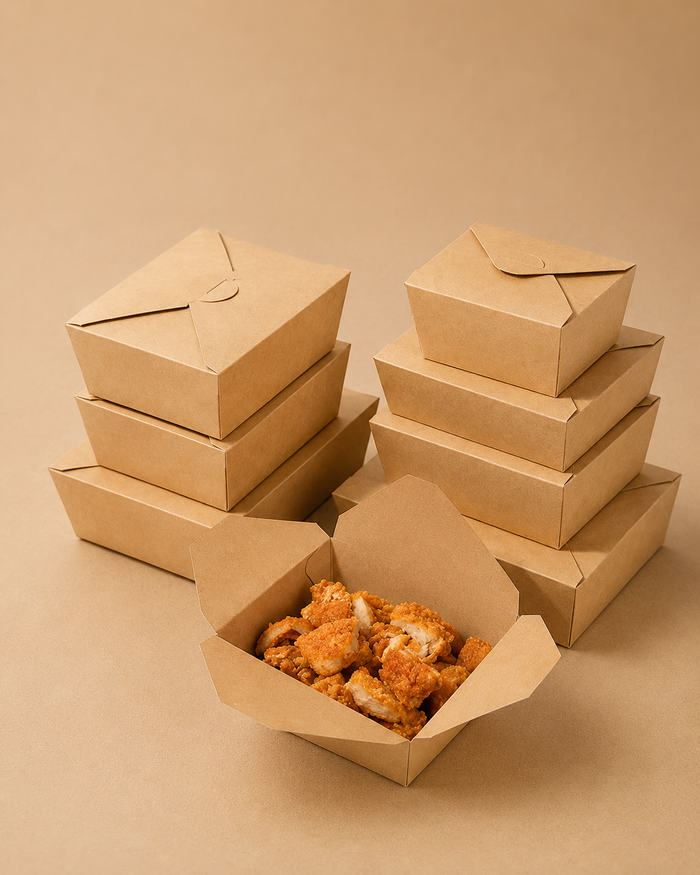
Kelewele, fried yam, chicken and other fried foods: consider grease, steam, ventilation and whether the food is eaten immediately or transported.
Snacks and savouries: focus on portioning, easy serving, carrying and presentation.
Bakery products: consider shape, fragility, size and whether a bag, box or combination works best.
Coffee and drinks: the container, lid, heat handling and carrying system matter as much as the outer bag.
Retail goods: consider load, handle strength, dimensions and how the package represents the brand.
Natural kraft can become part of a brand's visual identity.
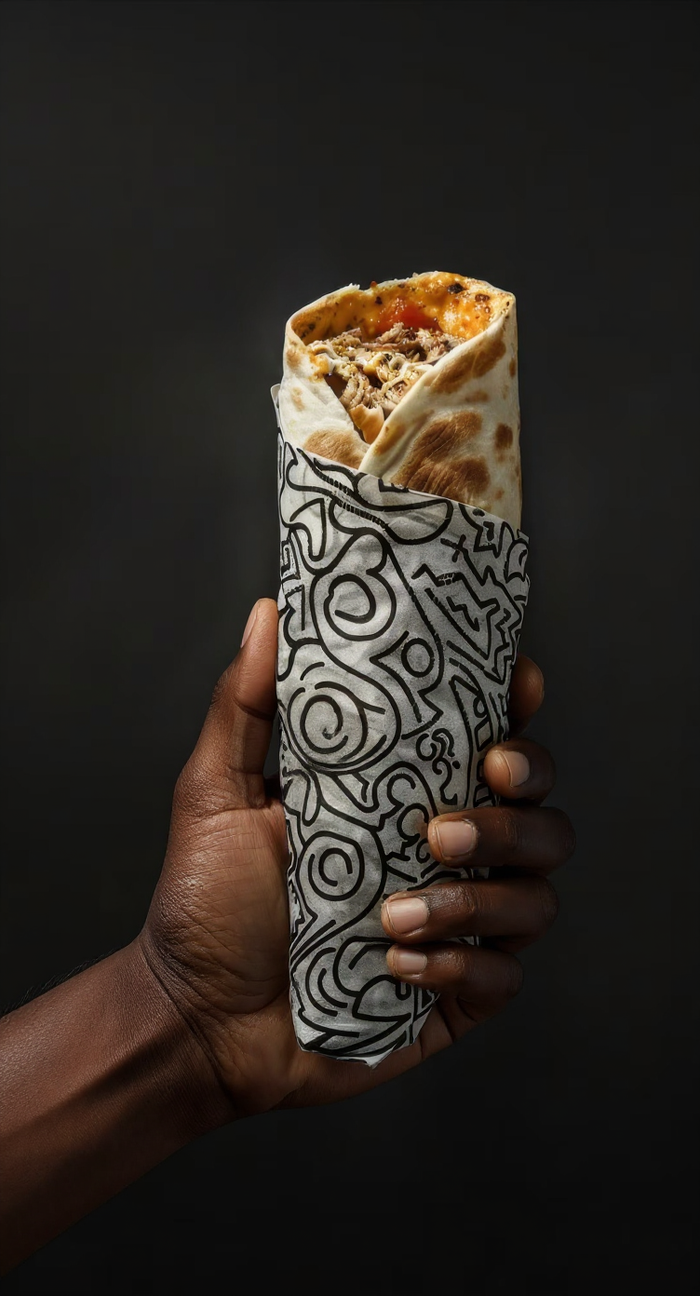
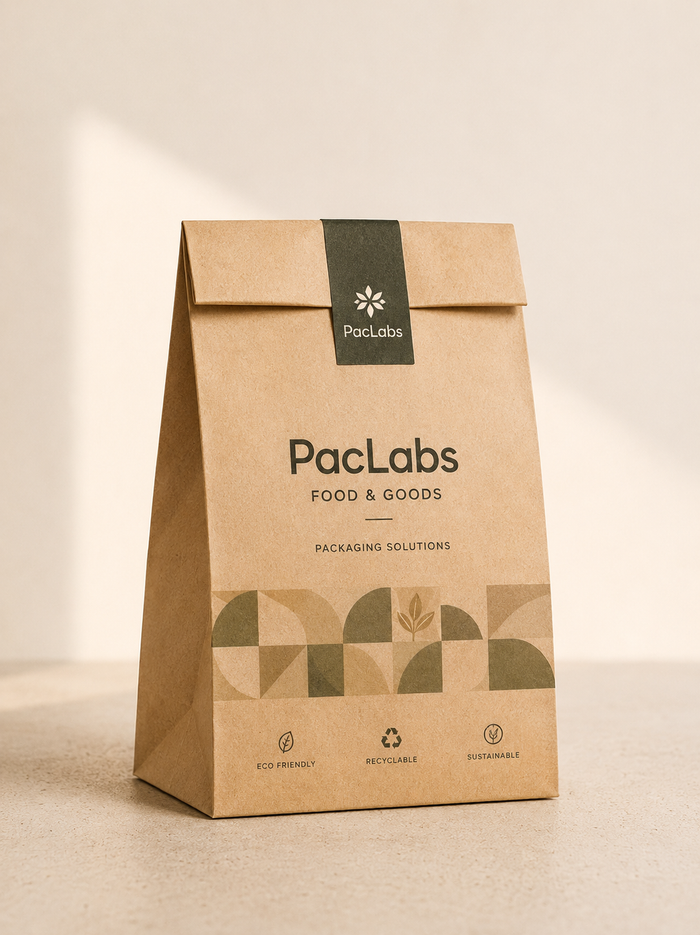
Businesses can use labels, stamps, printed bags, branded boxes or coordinated packaging systems to create a consistent customer experience.
The best approach is usually restrained: make the packaging recognisable without letting branding interfere with how the package needs to function.
Before placing an order, confirm:
If you are unsure, provide the food or product, approximate portion or size, quantity and branding requirements when requesting a quote.
PacLabs supplies paper-first packaging formats including:
View the individual product specifications before making a final selection. Where performance depends on a particular construction, coating, size or closure, the product specification should be the source of truth.
Kraft paper is widely used for packaging formats such as bags, trays, boxes and shopping bags. Suitability depends on the grade and finished construction.
Some kraft-paper packaging is designed for food use, but not every kraft paper product is suitable for every food. Check the specific product's food-use and performance specifications.
Ordinary paper should not be assumed to be waterproof. Moisture performance depends on construction and any barrier or coating used.
It can be suitable for some oily foods when the specific packaging has the required grease resistance. Do not assume every kraft product has the same performance.
Kraft paper is commonly valued for packaging strength, but strength varies by grade, weight and construction. The finished package matters as well.
Kraft paper can form part of a more responsible packaging strategy, but the word “kraft” alone does not establish environmental performance. Sourcing, coatings, contamination and end-of-life all matter.
Yes. Depending on the product and production method, kraft packaging can support labels, stamps or custom printing.
The answer depends on the food. Meals, fried foods, snacks and liquids have different requirements, so choose based on heat, moisture, grease, portion and transport needs.
Tell PacLabs what you are packaging, the approximate quantity and how the package will be used. We can help identify the appropriate format and move from a packaging idea to a practical product choice.
Practical points to apply before your next packaging decision.
Formats and solutions referenced in this guide.
Continue reading across materials, branding, and operations.
Share your product, volumes, and timeline, and we will recommend materials, formats, and print options that fit your operation.